Subtotal $0.00

- gauravch63@gmail.com Mon-Sat: 09:00 to 05:00 Sunday-Closed
 +91-9451534249
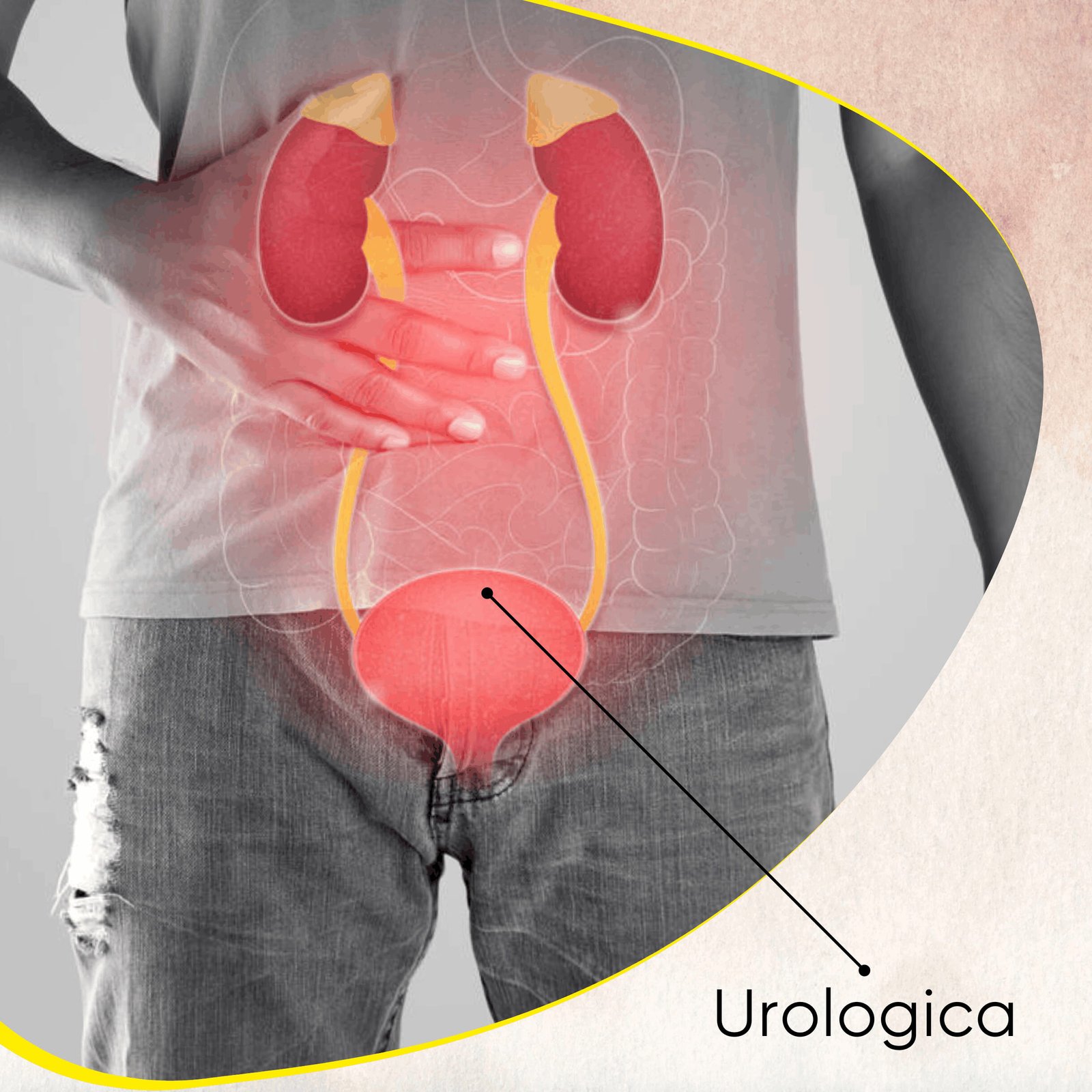
Urology is a specialized branch of medicine that focuses on the diagnosis, treatment, and management of disorders affecting the urinary tract and male reproductive system. This field addresses conditions involving the kidneys, ureters, bladder, urethra, and male reproductive organs. Urological health is critical for overall well-being, as urinary tract disorders can affect day-to-day life, productivity, and general health.
In Lucknow, patients seeking advanced urological care can access modern diagnostic techniques, minimally invasive procedures, and comprehensive treatment options that cater to a wide spectrum of urological disorders. With growing awareness of urinary health and the availability of specialized treatments, residents can now receive timely interventions that prevent complications and enhance quality of life.
Urology is dedicated to addressing a wide range of conditions involving the kidneys, ureters, bladder, prostate, urethra, and male genital structures. This includes both medical management and surgical intervention for disorders such as urinary tract infections, kidney and bladder stones, prostate enlargement, incontinence, cancers, congenital abnormalities and sexual health concerns
Urological disorders can affect individuals of all ages, and early diagnosis is essential for effective treatment. The most frequently encountered conditions include.
Kidney stones are crystalline mineral deposits that form in the kidneys and can cause severe pain when passing through the urinary tract. Symptoms include sharp pain in the back or side, nausea, vomiting, and blood in the urine. Treatment options include.
Shock Wave Lithotripsy (ESWL): Non-invasive procedure to break stones into smaller pieces for easier passage.
Ureteroscopy: Endoscopic procedure to remove stones from the ureter or kidney.
Percutaneous Nephrolithotomy (PCNL): Minimally invasive surgery for larger stones.
UTIs occur when bacteria infect the urinary tract, leading to symptoms such as burning during urination, frequent urination, cloudy urine, and lower abdominal pain. Prompt treatment prevents kidney damage and recurrent infections. Management typically includes.
Antibiotic therapy tailored to the specific infection.
Lifestyle modifications to reduce recurrence.
Diagnostic evaluation to detect underlying causes.
Prostate disorders are common in men above 40. Conditions include.
Benign Prostatic Hyperplasia (BPH): Enlargement of the prostate causing difficulty in urination.
Prostatitis: Inflammation of the prostate that can cause pain and urinary discomfort.
Prostate Cancer: Requires early detection and treatment for optimal outcomes.
Treatment options range from medication to minimally invasive procedures and advanced surgical interventions.
Bladder disorders can manifest as incontinence, urgency, or retention of urine. Common conditions include.
Bladder Stones: Small, hard deposits causing pain and difficulty urinating.
Overactive Bladder: Frequent urge to urinate affecting lifestyle.
Bladder Cancer: Early diagnosis and treatment are critical for positive outcomes.
Male reproductive health issues include erectile dysfunction, infertility, and reproductive cancers. Advanced treatments now enable minimally invasive interventions and long-term management options.
Urological health is not only about treatment—it’s also about prevention. Key lifestyle measures include.
Staying hydrated to prevent kidney stones and UTIs.
Maintaining a balanced diet low in salt and high in fiber.
Practicing good hygiene to reduce infections.
Regular medical checkups, especially for men above 40.
Avoiding excessive alcohol and tobacco use.
These preventive measures can significantly reduce the risk of urological disorders and enhance overall well-being.
WhatsApp us