
Subtotal $0.00
 +91-9451534249
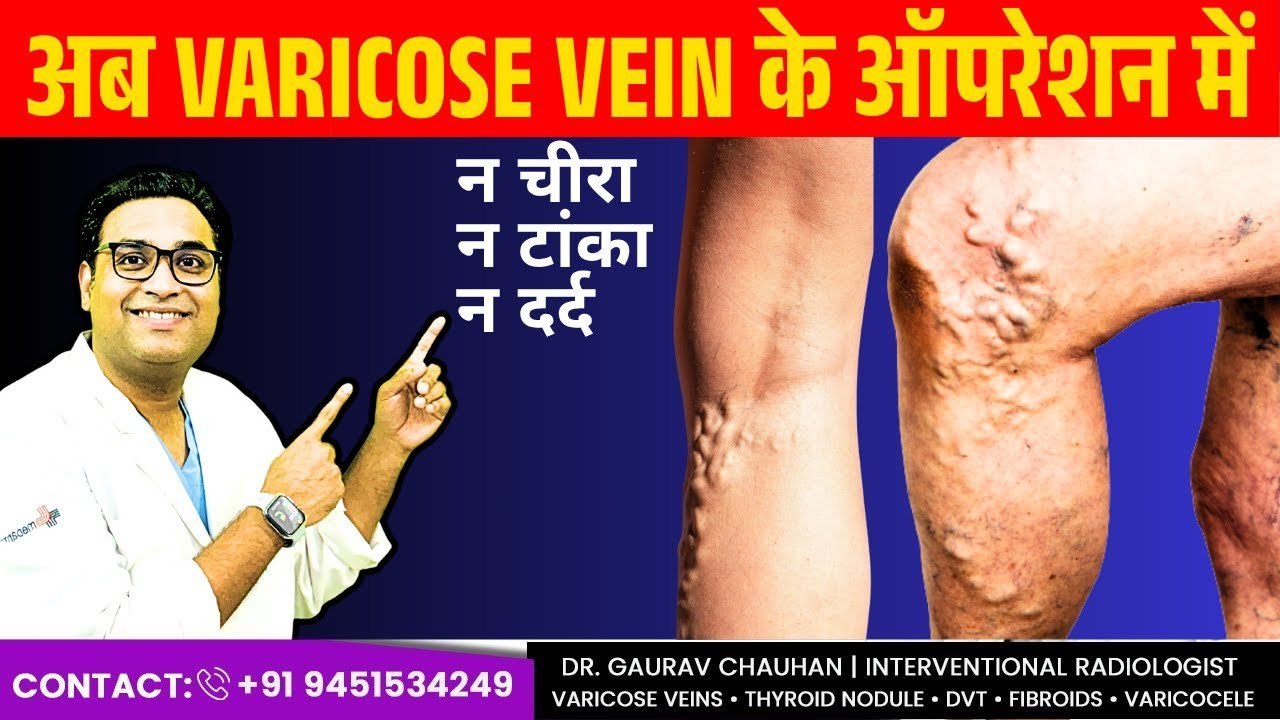
It’s a vascular condition that affects millions of people worldwide, including numerous in Lucknow. However, a feeling of heaviness or varicose veins, if you witness pain in your legs. Fortunately, ultramodern drugs now offer a variety of effective treatments to relieve symptoms, restore healthy blood rotation and ameliorate quality of life. In this blog, we’ll cover everything you need to know about the best varicose veins treatment in Lucknow, including the latest minimally invasive curatives, available expert care hard and why prompt medical attention is pivotal.
What Are Varicose Veins?
Have you ever heard an elderly person complaining of leg pain, accompanied by purplish veins showing up prominently? This is a vein disorder known as varicose veins. A milder version of this condition is known as spider veins. Such a vascular condition affects women more commonly than men and is usually benign. However, it can become painful at times. The impact on the veins is usually only a cosmetic concern and affects the legs more often due to the weight borne by them. This condition is most often self-diagnosed and does not require laboratory imaging. In some cases, it may signify an underlying circulatory problem.
Types of Varicose Veins
Different types of varicose affect the superficial veins. In rare cases, internal veins might also become swollen. The common types of varicose veins include:
- Trunk varicose veins:- These are generally long, bulging veins, supposedly unsightly due to their elevation. They’re thicker than the other types of varicose veins and frequently affect the dilation of the venal walls
- Reticular varicose veins:- Usually red in colour and form a network under the skin, they are less bulging than trunk varicose veins and may point towards circulatory concerns.
- Telangiectasia varicose veins:- Generally known as spider veins, these small clusters of thin, visible, corruptible networks appear on the face or legs. They aren’t as prominent as the other types, in terms of stretching the skin and are inoffensive.
Varicose Veins Symptoms
Many varicoceles are asymptomatic. When symptoms occur, they may include:
- “Bag of worms” feel a palpable or visible swelling or enlargement of the scrotum.
- Pain is a dull pain or throbbing discomfort that usually gets worse when standing or exercising and is better when lying down.
- Low sperm count, decreased motility and poor morphology are frequently linked to reproductive issues.
- Testicular atrophy is the term for shrinkage of the testicles.
Varicose Veins Causes
Varicose veins are caused by weakening or injury to the vein faucets, which causes blood to pool and the veins to enlarge. Among the contributing elements are:
- Age:- As we become older, our veins become less flexible, increasing the risk of developing varicose veins.
- Gestation:- Varicose veins can result from the increased blood volume and pressure during gestation.
- Rotundity:- redundant weight puts added pressure on leg veins.
- Standing or sitting for long ages:- Jobs that bear long hours of standing or sitting can disrupt blood inflow.
- Family history:- Genetics plays a significant part in developing varicose veins.
How to treat Varicose veins?
Although there is not a cure for varicose veins, there are a number of treatments that can improve your appearance and well-being. Additionally, you can expect to return home on the day after your treatment.
- Elevation:- To increase blood inflow and drop pressure in your veins, you should elevate your legs above your waist several times throughout the day.
- Compression stockings:- Probative socks or compression socks compress your veins and reduce discomfort. The contraction stops your veins from stretching and helps blood inflow.
- Injection therapy (sclerotherapy):- During sclerotherapy, a healthcare provider injects a solution into your vein. The result causes the vein walls to stick together. Ultimately, your vein turns into a scarecrow and fades down.
- Laser treatment:- Endovenous thermal ablation is a minimally invasive procedure that your healthcare provider does when placing a catheter-along, thin tube with a laser through the skin to close off a damaged vein.
- Ambulatory phlebectomy:- A provider makes cuts or perforations in the skin next to the varicose vein to get it out and also ties off and removes one section of the vein at a time.
- Vein surgery:- During the procedure, known as ligation and stripping, your surgeon ties off your affected vein so that blood won’t pool in that area. The surgeon may remove or strip the vein so that varicose veins are less likely to reoccur.
When Should You See a Vascular Surgeon?
While not all varicose veins require immediate medical attention, you should speak with a Lucknow vascular surgeon if:
- Daily tasks are hampered by pain
- Swelling becomes persistent
- Skin changes occur
- You develop ulcers or wounds
- Conservative treatments don’t help
Effective treatment can be ensured and problems can be avoided with early diagnosis.
Choosing the Right Varicose Veins Treatment Hospital
Opting for the right varicose vein treatment hospital is pivotal for successful issues. Then there are some factors to consider.
- Endocrine Specialists:- Look for a good varicose vein specialist doctor.
- in Lucknow with proven moxie.
- Advanced Technology:- ensure the hospital uses ultramodern equipment and methods like EVLT and RFA.
- Individualized Care:- Each case’s condition is unique, so treatment should be customized.
- Post-Treatment Support:- Follow-up care is essential for long-term results.
Benefits of Modern Varicose Veins Treatment
Patients now encounter the following thanks to improvements in vascular care:
- Minimal pain
- No long hospital stays
- Faster recovery
- Excellent cosmetic results
- Reduced threat of complications
This makes varicose vein treatment in Lucknow largely effective and patient-friendly.
Final Thoughts
Varicose veins impact comfort, mobility and long-term vascular health. Early discussion, accurate opinion and access to ultramodern treatment options are essential for effective operation. Lucknow offers a variety of minimally invasive, safe and advanced procedures that give relief, restore bottom health and ameliorate quality of life.
By taking a visionary way, similar to espousing specific care and life changes, cases can achieve long-lasting results, reduce discomfort and help unborn complications. The right treatment approach can lead to healthy, pain-free lives.
Frequently Asked Question (FAQs)
How can I reduce my varicose veins?
Strategies for managing varicose veins:
- Try to keep to a healthy weight.
- Put your legs up when possible – for example, lie down with your legs on cushions.
- Exercise regularly, similar to running or walking, to ameliorate blood inflow.
- Use a moisturizing cream or embrocation if you have dry, short or itchy skin.
What are the two main causes of varicose veins?
When the valves become weakened or damaged, blood can collect in the veins. This causes the veins to become enlarged. Sitting or standing for long periods can cause blood to pool in the leg veins, increasing the pressure within the veins. The veins can stretch from the increased pressure.
Can varicose veins be cured without surgery?
Minimally invasive options leave no room and the utmost problem veins—from the smallest spider veins to larger varicose veins—can be treated without surgery. Newer ways include the use of heat, cement or a result fitted directly into the veins. Treatment for varicose veins should be substantiated by evidence.
Can I naturally remove varicose veins?
There is no natural way to completely eliminate varicose and spider veins or to make them look better. Online and among musketeers, there are a lot of tales that promise to provide natural remedies for uncomfortable veins.