Subtotal $0.00

- gauravch63@gmail.com Mon-Sat: 09:00 to 05:00 Sunday-Closed
 +91-9451534249
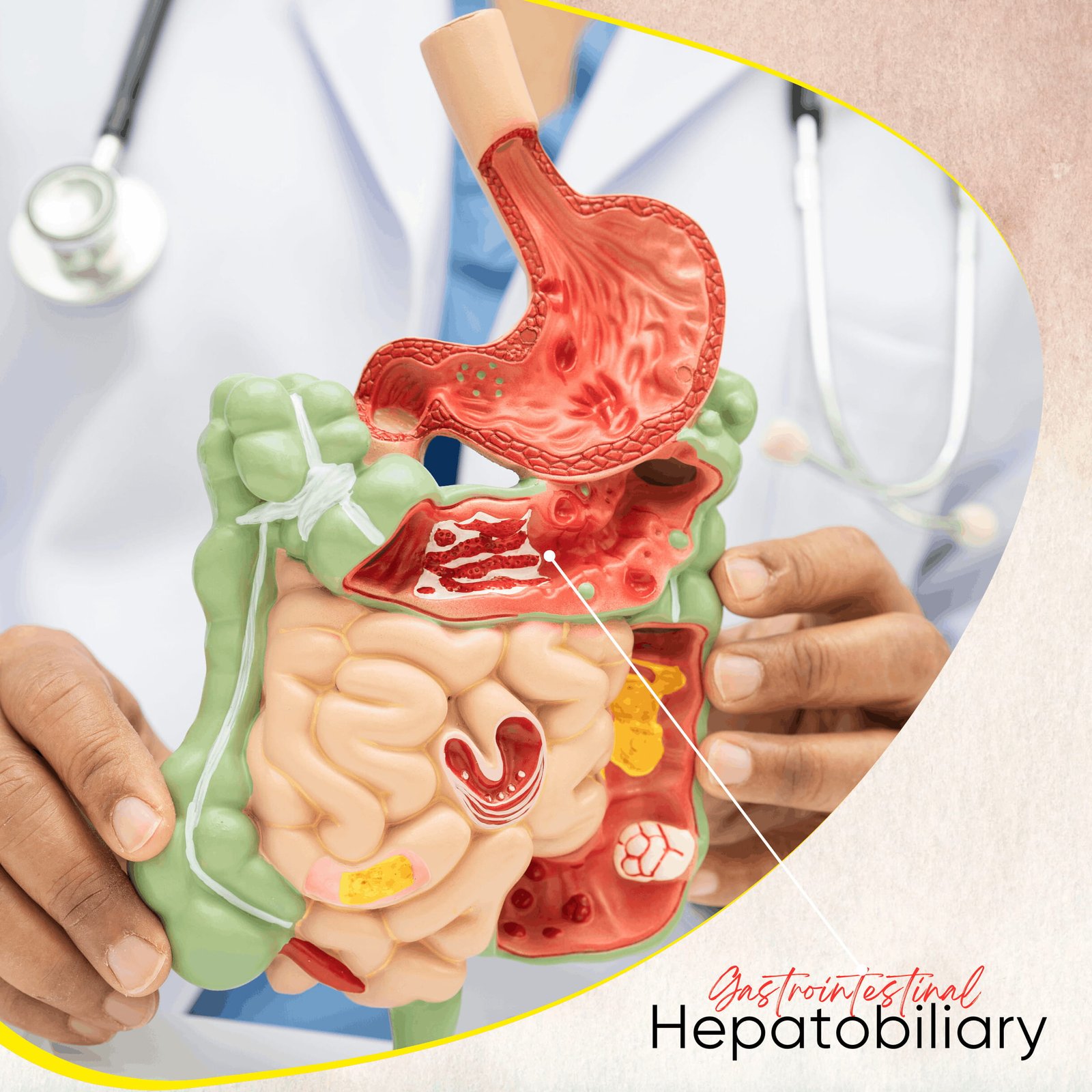
Expert care for gastrointestinal and hepatobiliary conditions is now accessible in Lucknow, offering advanced diagnostics and minimally invasive treatments. From liver and gallbladder disorders to complex pancreatic and bile duct issues, patients receive comprehensive management tailored to individual needs. Modern endovascular and interventional procedures ensure faster recovery, reduced discomfort, and improved outcomes compared to traditional surgery. The facility combines cutting-edge imaging technology with experienced specialists to accurately diagnose conditions such as liver cirrhosis, gallstones, biliary strictures, and pancreatic disorders. Emphasis is placed on personalized treatment plans, patient safety, and continuous monitoring. Whether addressing chronic digestive issues or acute hepatobiliary emergencies, the center provides precise, effective, and compassionate care to support digestive and liver health in a comfortable and advanced clinical environment.
Mechanical Barriers: Mouth, esophagus, and stomach physically limit pathogen entry. Saliva washes away microbes, and peristaltic movements propel harmful agents down the GI tract, preventing their adhesion and colonization.
Mucus Secretion: Goblet cells secrete mucus that coats the epithelial lining, trapping microbes and preventing them from attaching to or penetrating the epithelium. Mucus also contains antimicrobial molecules that enhance defense.
Epithelial Barrier: Tight junctions between epithelial cells form a selective barrier that prevents microbial translocation. Continuous epithelial cell turnover replaces damaged or infected cells, maintaining barrier integrity.
Gastric Acid: Low pH in the stomach (around 1–3) kills many ingested pathogens. Acidic conditions also activate digestive enzymes, enhancing the breakdown of microbial proteins.
Digestive Enzymes: Proteases, lipases, and amylases in the stomach and small intestine degrade microbial components. Bile acids disrupt bacterial membranes and inhibit growth of certain harmful microbes.
Secretory IgA: Immunoglobulin A present in mucus, saliva, and intestinal secretions binds to pathogens, neutralizing them and preventing adherence to epithelial cells, forming a key part of mucosal immunity.
Gut Microbiota: Commensal bacteria occupy attachment sites and compete with pathogens for nutrients. They also produce antimicrobial compounds, like bacteriocins and short-chain fatty acids, which inhibit pathogenic microbes.
Peristalsis & Vomiting/Diarrhea: Coordinated muscular movements push pathogens along the GI tract. Vomiting and diarrhea act as rapid expulsion mechanisms to remove harmful microorganisms during infection.
Peyer’s Patches & GALT: Lymphoid tissues in the gut, including Peyer’s patches and mesenteric lymph nodes, monitor microbial activity. They initiate adaptive immune responses via T and B lymphocytes when pathogens are detected.
Antimicrobial Peptides: Paneth cells in the small intestine secrete defensins, lysozyme, and other antimicrobial peptides that disrupt microbial membranes and kill invading bacteria, contributing to innate immunity.
WhatsApp us