
Subtotal $0.00
 +91-9451534249
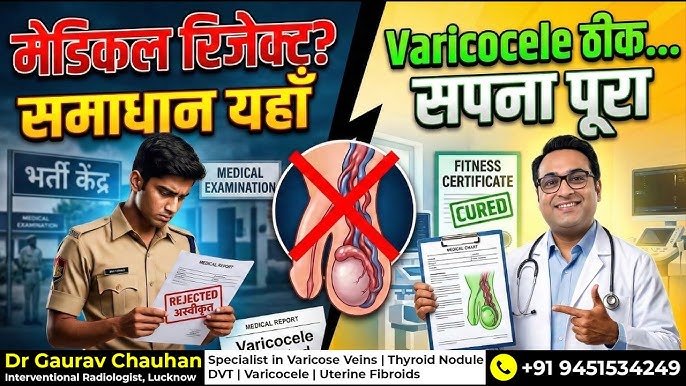
Analogous to varicose veins, which can develop in the legs, varicocele is a disorder marked by the development of nodes within the scrotum. Men, especially those between the periods of 15 and 25, are constantly affected by this problem. Varicoceles are constantly asymptomatic, although they can sometimes beget pain, testicular loss, and indeed problems with reduplication. Timely operation requires an understanding of its causes, symptoms, and available treatments.
What is Varicocele?
A varicocele is a network of dilated blood vessels, or varicose veins, in the scrotum. For unknown reasons, varicoceles generally occur in the left testicle. A varicocele is a fairly common condition that tends to occur in youthful men, generally during the second or third decade of life. This condition affects roughly 15 to 20 of the general male population and up to 40 infertile males.
Why Early Diagnosis and Expert Consultation Are Important for Varicocele
In its early stages, a varicocele—an expansion of veins within the scrotum—may go undetected and constantly develop gradationally. Numerous men don’t have any symptoms; still, some do feel a little uncomfortable or heavy. In order to avoid consequences like dropped fertility, dragged pain, and testicular loss, early identification is pivotal.
A comprehensive evaluation, including a clinical examination and, if necessary, imaging studies to confirm the opinion and hand inflexibility, is assured by speaking with a vascular specialist. Individualized treatment rules, whether through monitoring, life comforting, or minimally invasive procedures, are made possible by expert supervision.
Early intervention helps maintain testicular function and reproductive eventuality in addition to treating symptoms. Specialist discussion also empowers individuals to laboriously control their health by educating them about advising pointers and follow-up care. For long-term health, prompt diagnosis and professional care are essential.
Causes of Varicocele
The valves in the veins of the spermatic cord, which is in charge of transporting blood to and from the testicles, fail, performing in varicoceles. The veins dilate as a result of blood pooling in them when these faucets malfunction. Among the contributing rudiments are:
- Anatomical variations: Some men are more susceptible to varicocele due to specific vein patterns.
- Increased pressure: Vein dilatation may result from exercises that raise abdominal pressure, such as hard lifting.
- Genetic predisposition: A family history of varicocele or enlarged veins may make a person more vulnerable.
Varicoceles usually develop on the left side because of differences in venous breakdown, while bilateral occurrences are still possible.
Common Symptoms and Warning Signs of Varicocele
A varicocele is a condition when the nodes in the scrotum—the loose patch of skin that houses the testicles—expand due to inadequate blood force. In fact, even though many cases are unintentionally created and remain asymptomatic, it’s critical to recognize warning signs and critical symptoms so that patients can seek timely testing and appropriate care.
Pain or Discomfort that is Dull and Aching
One of the most reported early symptoms is a dull pang or discomfort in the scrotum, particularly on the left side. This discomfort may:
- Increase after extended ages of standing, exercise, or at the end of the day.
- frequently decrease when at rest or lying down.
Usually, this feeling is caused by the larger veins straining and pooling blood.
Visible or Palpable Mass in the Scrotum
A varicocele constantly results in enlarged nodes or a visible mass above the testicle. Because of its crooked, rope-suchlike structure, descriptions constantly compare this appearance to a “bag of worms.”
Lower varicoceles might not be fluently seen but may still be felt during a tone examination or a clinical test.
Testicular Size Difference (Atrophy)
Testicular development and function may occasionally be hampered by chronic varicoceles. This could eventually result in:
- Testicular atrophy is the appearance of one testicle being smaller than the other.
- variations in the consistency of testicles.
If you see noticeable differences in size or rigidity, consult an expert.
Feeling of Heaviness or Fullness in the Scrotum
Some men report feeling as though their scrotum is heavy or dragging, particularly after prolonged standing or physical exertion. This symptom may indicate blown or clogged nodes that are injuring original blood inflow.
Swelling and Enlarged Veins
Even in the absence of severe pain, visible scrotal vein enlargement or bulging is a common warning indication. When standing, enlarged veins frequently become more noticeable, and when sitting down, they may become less noticeable.
Infertility or Changes in Fertility Parameters
Varicoceles are a known cause of male infertility in certain people, even though they are not a clear “pain-related” sign. Because of the condition’s elevated scrotal temperature and reduced blood flow, sperm production and quality may be impacted. When a guy and his spouse are trying to procreate, many cases are found during fertility evaluations.
When to Seek Medical Attention
In fact, even though varicoceles seldom cause serious problems, it’s crucial to see a doctor if you have:
- Pain that interferes with daily conditioning is either persistent or worsening.
- conspicuous lumps or blowups in the scrotum.
- notable variations in testicle size.
- concerns regarding fertility or becoming pregnant.
A medical professional should perform a comprehensive assessment and, if necessary, suitable imaging because analogous symptoms can also be linked to other affections (analogous hernias or infections).
How is a varicocele diagnosed?
It is best to catch a varicocele before it can cause major problems, such as infertility. Self-exam of the scrotum is the best way to diagnose a varicocele early. A varicocele can feel like a “bag of worms” and is generally set up in the left testicle. The maturity of varicoceles is detected by a physician during a health scan.
What are the best available treatments?
Embolization requires no aches or general anesthesia and only a 1/4-inch gash. Nearly all the cases can be treated on an inpatient basis and may return to normal conditioning in two to three days. Surgical treatment requires an incision and may require several days or even weeks to return to full activities. Studies have shown that embolization and surgery are equally effective.
Regardless of the treatment, the varicocele may recur and may require repeat treatment. If the varicocele has been previously treated with surgery, embolization is still an option. If the varicocele recurs after the embolization, embolization can generally be repeated. If a repeat embolization fails, surgery can still be performed.
How well does embolization work?
There is a 90% success rate with embolization, and of those with success, about 10% may experience late recurrence. These results are the same as those achieved with more invasive surgical techniques. Varicocele embolization has been performed for over 25 years and has an excellent long-term safety record. Its safety and effectiveness has been shown in very large trials.
Final Thoughts
Varicocele is a common but often ignored illness that can affect reproductive health as well as comfort. Many cases are still harmless, but if untreated, others could result in pain, alterations to the testicles, or problems with fertility.
Early opinion and applicable operation play a pivotal part in precluding complications. With advancements in both surgical and minimally invasive ways, effective treatment options are readily available, offering excellent solutions for utmost cases.
Still, consulting a good vascular specialist is the best step toward an accurate opinion and substantiated care if you are passing symptoms or have enterprises about fertility.
Frequently Asked Question (FAQs)
What is the main cause of varicocele?
Varicoceles are believed to result from venous engorgement, which can be clinically identified on scrotal examination, caused by a backup of venous blood flow in the internal spermatic vein. The cremasteric and deferential veins are examples of alternative venous drainage from the testicle.
Is varicocele serious?
Varicoceles are very common, and they are not dangerous. In fact, 15% of all adult men have a varicocele. For numerous men, their varicocele will go unnoticed throughout their lives, or it’ll not beget any problems at all. About 20% of adolescents have varicoceles, so a bit of them likely resolve spontaneously.
How to fix varicocele?
A varicocele frequently does not need to be treated. For a man experiencing infertility, surgery to correct the varicocele may be a part of the fertility treatment plan. For teenagers or young adults — generally those not seeking fertility treatment — a health care provider may suggest annual checkups to monitor any changes.
Does varicocele mean infertility?
Varicoceles generally form during puberty and develop over time. They may beget some discomfort or pain, but they frequently have no symptoms or complications. A varicocele may cause poor development of a testicle, low sperm production or other problems that may lead to infertility.