
Subtotal $0.00
 +91-9451534249
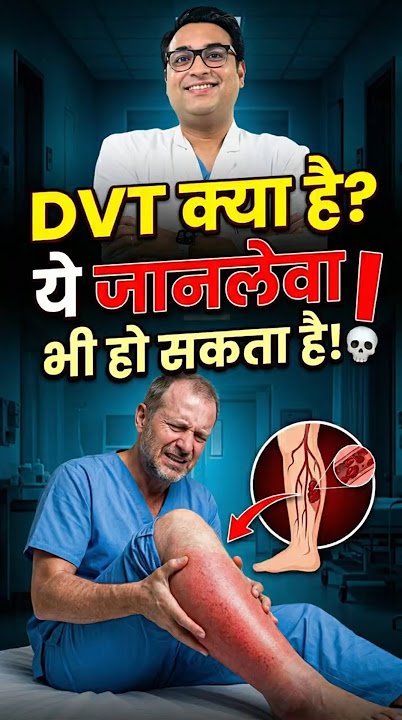
Leg Swelling It usually begins as a minor issue. After a long day, a little swelling in the leg. Perhaps a dull pain that is easier to ignore or some stiffness in the calf. Life carries on and a lot of people believe it’s just exhaustion or prolonged standing. But what if the swelling is alerting you to a more serious issue?
In numerous cases, there’s a close connection between leg edema and DVT; knowing this connection can save lives. Not all swelling is dangerous, but sometimes it may indicate deep tone thrombosis, a condition that goes undetected. This kind of blood clot generally develops in the legs and forms deep within the veins. It can have serious consequences if ignored.
So, is leg swelling dangerous? The answer depends on the cause. In this detailed guide, you will learn everything you need to know, from causes of leg swelling to warning signs, risks, treatment and prevention.
What Is Leg Swelling?
Edema, another name for leg swelling, is the accumulation of redundant fluid in the tissues of your legs. One or both legs may be affected and it may appear suddenly or gradually.
Swelling is not always dangerous. For example, sitting while traveling or standing for extended ages of time can affect flash swelling. In other situations, however, it may indicate underpinning medical conditions similar to heart, kidney, vascular or lymphatic system diseases.
What Is Deep Vein Thrombosis (DVT)?
Deep vein thrombosis (DVT) occurs when a blood clot (thrombus) develops in a vein deep in your body, frequently in your leg. This can be because of a vein injury or slow-flowing blood. The blood clot may incompletely or fully block blood inflow through your vein.
The utmost DVTs are in your shin, ham or pelvis. But they also can do it in other corridors of your body, including your arm, brain, bowel, liver or order.
Deep vein thrombosis (also called venous thrombosis) is common. You need quick opinions and treatment to help life-hanging complications.
Is Leg Swelling Dangerous?
Not all swelling should beget fear. A mild swelling after physical exertion, a long trip or a minor injury is generally temporary. It frequently improves with rest, elevation or hydration.
Still, some signs indicate a serious issue. Swelling that appears suddenly, affects only one leg, or is accompanied by pain shouldn’t be ignored.
When to worry about leg swelling becomes clear when you notice symptoms similar to greenishness, warmth or tenderness. These can point toward a blood clot in the leg.
Understanding swollen leg warning signs is pivotal because early discovery can prevent serious complications.
Deep vein thrombosis causes
Slow blood inflow in a damaged deep vein after being inactive for a long time can beget deep vein thrombosis. This frequently comes after an injury, surgery or hospital stay. This is because you’re lying in bed most of the time rather than moving like you typically would. It’s also because there’s a high amount of inflammation in your body and blood vessels.
A DVT can also happen when you’re not moving for more than four hours because of a trip. You may be sitting for a long time in an auto, truck, machine, train or aeroplane.
Deep Vein Thrombosis Symptoms?
The following are the most common deep vein thrombosis symptoms if a blood clot forms in your leg:
- Leg swelling
- Bulging veins that feel painful or rigid to the touch
- Throbbing pain in the leg
- Red or darkened skin surrounding the painful area
- Warm skin surrounding the painful area
Blood Clot in Leg Signs
Key Warning Signals
The symptoms of DVT constantly coincide with blood clots in the leg. Nonetheless, some pointers are more precise.
These include skin warmth, redness, habitual pain and swelling in one leg. Also, the skin could feel stretched or constricted.
Why These Signs Matter
Ignoring these symptoms can be dangerous. A clot may grow larger or break off, leading to severe consequences.
Thus, understanding blood clots in leg signs is essential for timely medical attention.
DVT Complications
Pulmonary Embolism Risk
Pulmonary embolism threat is one of the most dangerous consequences of DVT. When a clot gets to the lungs and obstructs blood inflow, this happens.
chest pain, fast heartbeat and abrupt briefness of breath are possible symptoms. This condition needs to be treated right away.
Long-Term Complications
Indeed if a pulmonary embolism doesn’t do, DVT can still cause long- term issues. One common problem is post-thrombotic syndrome, which leads to chronic pain, swelling and skin changes in the leg.
These DVT complications can affect quality of life significantly.
Treatment for Deep Vein Thrombosis
Medications
Treatment for deep vein thrombosis generally starts with blood thinners. These medications help the clot from growing and reduce the threat of new clots.
They don’t dissolve the clot immediately, but they help the body break it down naturally over time.
Advanced Treatments
In some cases, more advanced treatments are demanded. These may include clot- dissolving medicines or procedures to remove the clot.
Doctors may also recommend contraction stocking to enhance blood inflow and reduce lump.
Importance of Early Treatment
Early treatment for deep vein thrombosis is vital. It reduces the trouble of complications and improves recovery.
Ignoring symptoms can lead to serious and indeed fatal consequences.
Preventing Blood Clots in Legs
Lifestyle Changes
Preventing blood clots in legs frequently starts with simple life habits. Staying active, maintaining a healthy weight and avoiding long ages of immobility are crucial. Regular movement helps ameliorate blood rotation.
Travel Precautions
During long journeys, it is important to stretch your legs and stay hydrated. Wearing loose clothing and taking short walks can reduce the risk.
During long journeys, it’s important to stretch your legs and stay hydrated. Wearing loose apparel and taking short walks can reduce the threat.
Medical Prevention
For individualities at advanced threat, doctors may recommend specifics or contraction remedy.
Preventing blood clots in legs is especially important for people with a history of DVT or other threat factors.
Swollen Leg Warning Signs You Should Never Ignore
Signs That Need Attention
Blown leg warning signs include unforeseen lump, pain, redness and warmth in one leg. These symptoms may indicate a serious condition.
Why Early Action Matters
Acting early can prevent complications such as pulmonary embolism. It can also reduce long-term damage to the veins.
Acting beforehand can help complications similar to pulmonary embolism. It can also reduce long- term damage to the veins.
Final Thoughts
Although leg swelling is a frequent issue, it should noway be disregarded. Some cases may indicate a dangerous illness like deep tone thrombosis, although numerous are benign. For the purpose of early discovery and treatment, it’s pivotal to comprehend the relationship between leg edema and DVT.
Warning signals of deep tone thrombosis, blood clots in the leg and swelling legs should always be taken precisely. Ignoring them can have serious consequences, similar to pulmonary embolism.
The good news is that the pitfalls can be successfully controlled with prompt treatment for deep vein thrombosis and applicable preventative measures. The topmost approach to guard your health is to remain knowledgeable and watchful.
Frequently Asked Questions (FAQs)
Can leg swelling be fatal?
Yes, sometimes. The swelling may be fatal if deep vein thrombosis is the cause and it results in a pulmonary embolism.
Is leg swelling always due to a blood clot?
No, there are numerous reasons why legs swell. However, swelling that occurs suddenly or on one side should always be examined.
When should I see a doctor for leg swelling?
If the swelling is abrupt, painful or accompanied by warmth and redness, you should get medical help.
How is DVT treated?
Deep vein thrombosis is frequently treated with contraction remedy, blood thinners and sometimes more complex operations.