
Subtotal $0.00
 +91-9451534249
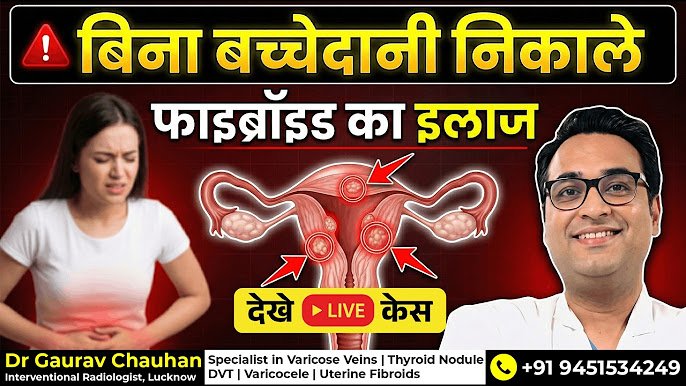
Uterine fibroids are common, non-cancerous muscular tumors that develop within or around the uterus, often causing heavy bleeding, pain, and pressure. Removing the uterus (hysterectomy) is no longer necessary, as effective non-surgical options exist to treat symptoms and shrink the fibroids; these include Uterine Artery Embolization, Radiofrequency Ablation, Focused Ultrasound, and hormonal medications.
What Are Fibroids?
Fibroids are non-cancerous growths that form in or around the uterus; they are sometimes referred to as leiomyomas or uterine fibroids. They can range in size from enormous bulk to extremely tiny ones, like seeds.
These growths are extremely common. In fact, a large percentage of women develop fibroids during their reproductive years, although many may not even realize it.
Types of Fibroids
- Intramural fibroids are intricate and bedded within the uterine wall. This type of fibroid frequently causes heavy menstrual bleeding.
- Submucosal Fibroids These types of fibroids are bedded within the inner filling of the uterus and affect symptoms like extension or heavy bleeding.
- Subserosal fibroids tend to form against the uterine body on its external wall; therefore, they can compress contiguous organs, and this happens as the fibroid pushes against girding organs.
- Pedunculated fibroids are like small excrescences on a stalk that grow inside the uterus. Occasionally, these stalks can twist, cutting off the blood flow to the fibroid. This can beget unforeseen, severe pain in the lower tummy.
What are the common symptoms of uterine fibroids?
- heavy bleeding during menstruation
- Extended periods of menstruation
- Frequent urination
- Difficulty emptying the bladder
- Pelvic pain and pressure
- Constipation
- Backache or leg pains
Fibroid Treatment Without Surgery
There are several non-surgical options for fibroids that can be considered, providing individuals with alternatives for uterine fibroids treatment in lucknow. These include the following:
Radiation Ablation
The doctor shrinks the blood vessels around the fibroids while destroying them with heat or freezing temperatures using radiofrequency or cryo-technology.
Laparoscopic surgery is used for this non-invasive procedure for fibroids. The doctor makes tiny incisions in the abdomen to install thin devices and a camera. One of the tools inserts numerous needles into the fibroids and alternately warms and cools them to kill them. Over the following 12 months, the tissue’s size decreases, and its consistency changes from hard to soft. This is also considered the best treatment for large fibroids.
Endometrial Ablation
Endometrial ablation, also known as Nova Sure, is a fibroid treatment without surgery that uses heat radiation to remove the uterine lining, which is the cause of the excessive menstrual flow that goes along with fibroids.
Your doctor will insert an ablation device via the vagina and into the uterus to begin the quick process. The apparatus enlarges to take on the shape of the uterus before delivering heat energy that destroys the endometrium. Those who wish to avoid getting pregnant in the future and those with health conditions that could increase the chance of pregnancy are the best candidates for this non-invasive fibroid operation.
Uterine Fibroid Embolization (UFE)
To treat fibroids, your doctor might advise noninvasive fibroid surgery known as embolization. An interventional radiologist constantly performs this non-surgical fibroid treatment technique on an outpatient basis.
By cutting off the fibroids’ blood supply, uterine fibroid embolization shrinks the fibroids. Your doctor will perform the treatment by threading a tiny tube known as a catheter into the blood vessels supplying the fibroids from an artery in the wrist or groin. The physician continues by injecting small particles into the arteries. As a result, the fibroids contract because the blood supply is cut off.
Non-Surgical Treatment Options for Uterine Fibroids
For women who have few symptoms, don’t want to have surgery or still want to be fertile, non-surgical treatments are recommended. Now let’s explore the available non-surgical treatments.
Drugs are the most widely utilized first-line treatment for fibroid symptoms, especially in cases of severe bleeding and pain.
Hormonal Treatment for Fibroids in the Uterus
- GnRH agonists temporarily lower progesterone and estrogen, which reduces bleeding and fibroids.
- Progestin-releasing IUDs do not reduce fibroids, although they do manage severe bleeding.
- Oral contraceptives lessen severe bleeding and help control aging.
Medications for Symptom Management
- Tranexamic acid reduces heavy bleeding without affecting fibroid size.
- NSAIDs relieve mild to moderate pain but don’t reduce fibroids or bleeding.
Minimally Invasive Treatments
- Uterine Fibroid Embolization (UFE) Cuts off blood force to shrink fibroids. Quick recovery but may affect unborn fertility.
- Focused Ultrasound Surgery (FUS) Uses ultrasound waves to destroy fibroids without incisions. Best for a minimum time-out.
- Hysteroscopic minimum time-out. Myomectomy removes fibroids via a hysteroscope through the cervix. Ideal for women wanting to conceive, but not for fibroids beyond the uterine filling.
Alternative Options
- SPRMs or selective progesterone receptor modulators, are novel drugs that specifically target progesterone receptors to reduce bleeding and shrink fibroids.
- Endometrial ablation destroys the uterine lining to manage heavy bleeding from small fibroids but is ill-suited for women planning gravidity.
Lifestyle Modifications and Dietary Changes
- Salutary Changes Anti-inflammatory diet input, reduction of high-fat diets and an increase in fiber input can help control the symptoms.
- Exercise can help maintain hormonal balance, improve blood rotation and keep a person healthy.
Successful Fibroid Removal Without Surgery: How to Shrink Fibroids Fast
Also referred to as uterine artery embolization, UFE is an interventional radiology treatment that preserves a woman’s uterus.
Interventional radiology utilizes medical imaging devices to provide various non-surgical treatments. Devices can include:
- MRI (magnetic resonance imaging)
- Fluorescence X-ray
- Ultrasound
- Computed tomography
Uterine fibroid embolization causes fibroids to shrink by blocking their blood supply.
The doctor places a small needle perforation in the patient’s wrist, which allows him or her access to the blood vessels. Using X-ray guidance, the doctor positions a catheter into the blood vessels that feed the fibroid(s). Then, they release small gelatin beads into the vessel(s), creating a blockage.
Patients may be concerned when hearing the terms “blood vessels” and “blockage” used together since a blockage of vessels in the heart can cause severe, even fatal, damage. However, this blockage is safe. The doctor is only cutting off the blood supply to the fibroid, not to any important organs.
As soon as the blood flow is stopped, the fibroid will start to shrink, which will reduce or remove the fibroid symptoms.
Final Thoughts
Uterine fibroids, though benign, could indeed have a veritably dramatic effect on a woman’s quality of life because of similar symptoms such as heavy bleeding, pain and pressure. Thankfully, cutting-edge nonsurgical therapies provide viable substitutes for surgery, enabling women to effectively control their symptoms without sacrificing their ability to procreate. Women can ultimately improve their quality of life and well-being by discussing these possibilities with a healthcare provider and making well-informed decisions tailored to their unique needs, health and lifestyle.
Frequently Asked Question (FAQs)
What is the fastest way to get rid of fibroids?
Multitudinous factors impact the course of treatment for fibroids. Your doctor can suggest surgery or drugs to get relief from fibroids incontinently. Changes in life and home remedies may also be salutary for certain persons.
What shrinks fibroids naturally?
According to studies, calcium, magnesium and phosphorus may help stop the formation of fibroids. Also, taking vitamin D and A supplements may help fibroids naturally shrink if you formerly have them. Incipiently, period pain may be lessened by consuming magnesium and omega-3 fatty acids.
Can I get rid of uterine fibroids without surgery?
With smaller problems, a shorter hospital stay, and cheering hormonal situations following the procedure, high-intensity concentrated ultrasound is a safe and effective way to treat uterine fibroids.
Can you remove fibroids without removing the uterus?
One of the newest best for treating fibroids is transcortical fibroid ablation, which is constantly carried out using the Sonata System. Radiofrequency energy is used in transcortical fibroid ablation to kill fibroid tissue while keeping the uterus complete.
What organ is affected by fibroids?
Growths composed of stringy connective tissue and smooth muscle cells are called fibroids. These growths can arise independently or in clusters and develop in the uterus. They can be as big as a melon or as little as a grain of rice. Fibroids can sometimes grow forth on stalks from the uterus or into the uterine depression.